

Choosing a Wig During Chemotherapy: A Guide for Before, During and After Treatment
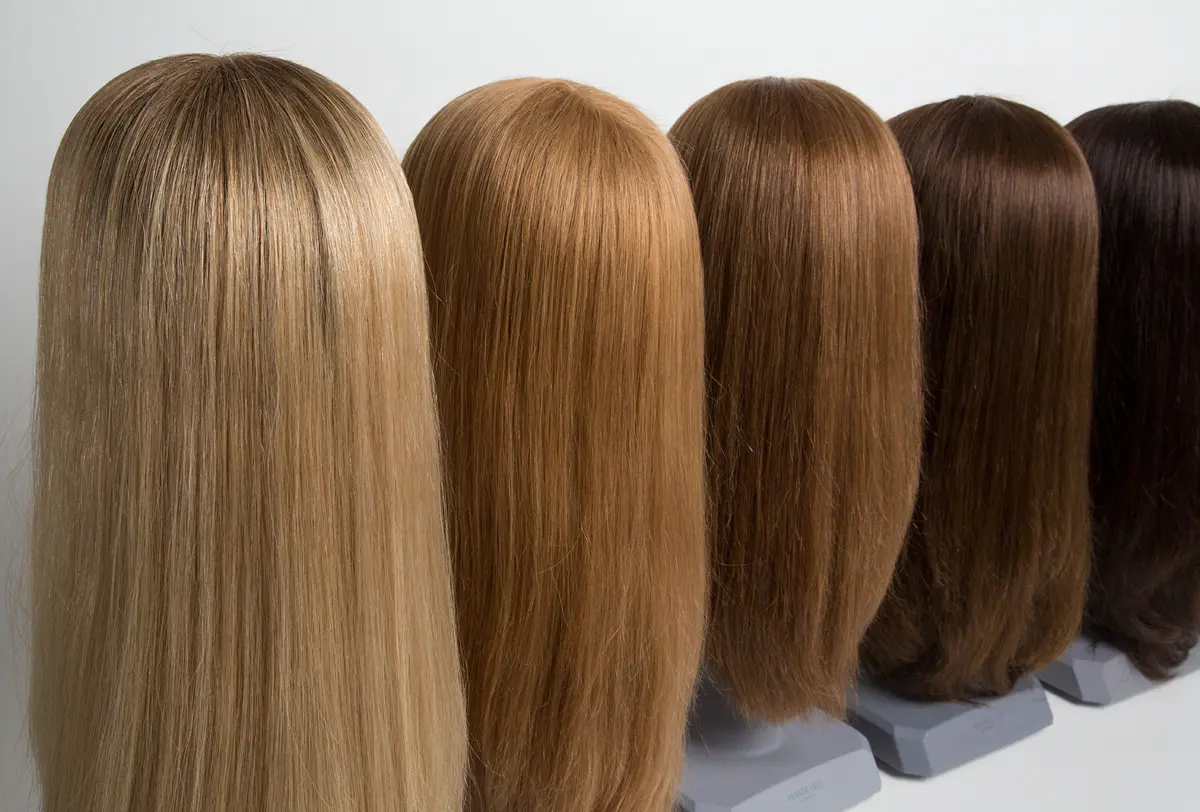
Choosing a wig before chemotherapy begins gives you more time to explore your options, compare the colour and style with your natural hair and become comfortable with wearing it before hair loss occurs. During treatment, fit and scalp comfort become increasingly important, while after treatment your wig may need to adapt as your natural hair begins to grow again.
Key points include:
- Why it can help to choose your wig before chemotherapy starts
- How to decide whether to recreate your natural hair or choose a new look
- The difference between ReadyMade and Made to Measure options
- Why lightweight materials and a comfortable fit matter during treatment
- How your wig can be adjusted as hair loss progresses
- How to look after your scalp and wig during chemotherapy
- What to expect as your natural hair begins to grow back
- When you may decide to stop wearing your wig after treatment
As a general rule, the best chemotherapy wig is not simply the one that looks most natural. It should also feel comfortable, work with the changes your hair and scalp may experience, and fit into your everyday life.
BEFORE CHEMOTHERAPY: GIVE YOURSELF TIME TO CHOOSE
Not every chemotherapy treatment causes complete hair loss, and the amount and timing of hair loss depend on the medicines being used and how your body responds. Your oncology or chemotherapy team should be able to explain what is likely with your particular treatment.
If hair loss is expected and you think you may want a wig, choosing one before treatment begins can make the process easier. It allows your consultant to see your existing hair colour, texture, density, hairline and usual style while your natural hair is still present.
It also gives you time to make the decision without feeling that you suddenly need a solution.
Our dedicated chemotherapy wigs service is designed specifically for people experiencing treatment-related hair loss, with an emphasis on privacy, comfort and creating a result that feels natural to you. Mandeville recommends visiting before hair loss where possible so sizing and styling can be considered in advance.
DECIDE WHETHER YOU WANT TO RECREATE YOUR HAIR
One of the first decisions is whether you want your wig to resemble your natural hair or whether you would prefer to make a change.
For many people undergoing chemotherapy, continuity is important. Keeping a similar colour, length, texture and density can make the transition feel less noticeable and may help you feel more like yourself during treatment.
Others see it as an opportunity to try something slightly different.
There is no correct choice. What matters is choosing something you will feel comfortable wearing in normal life rather than simply selecting the style that looks best on a stand.
If this is your first experience of wearing a wig, our guide to buying your first wig explains the main considerations around fit, construction, style and everyday maintenance.
READYMADE OR MADE TO MEASURE?
Your treatment schedule is an important consideration when choosing between different types of wig.
A ReadyMade wig can be particularly useful when chemotherapy is starting soon because a suitable piece can be selected, fitted, cut and styled without waiting for a completely bespoke wig to be created.
A Made to Measure wig offers much greater personalisation. The foundation is created to your individual head shape, while colour, texture, length, curl, density and other details can be tailored to recreate your hair very closely. Because of the specialist work involved, Mandeville currently advises allowing around four months from initial consultation to final fitting, although timings can vary.
If your chemotherapy begins sooner than this, discussing your timeline during your consultation will help determine the most practical option.
COMFORT MATTERS AS MUCH AS APPEARANCE
A wig may look beautiful but still be the wrong choice if you cannot comfortably wear it for several hours.
During chemotherapy, the scalp can sometimes become more sensitive, tender, itchy or dry. A lightweight, breathable foundation and an accurate fit are therefore particularly important.
Mandeville's handmade wigs use fine, breathable foundations designed to minimise unnecessary weight and pressure on the scalp.
Your wig should feel secure without gripping your head too tightly. It should also work with the changes that happen as your natural hair becomes thinner or falls out.
For a closer look at what happens during the appointment, see what to expect from a Mandeville wig consultation.
DURING CHEMOTHERAPY: YOUR FIT MAY CHANGE
The way a wig fits when you still have a full head of hair may be different from the way it fits after hair loss.
This is why choosing the right size and attachment method from the beginning is important.
Depending on your individual situation, a wig may be secured using medical tape, clips or a combination of attachment methods. As your hair changes, the method can also be adapted. Mandeville's chemotherapy fittings take both hair loss and future regrowth into account rather than treating the initial fitting as a fixed solution.
If something begins to feel different during treatment, whether the wig feels looser, tighter or simply less comfortable, it is worth having the fit checked rather than trying to tolerate the problem. Though our wigs are not adjustable, our consultants are well versed in selecting a size that should support you through both hair loss and regrowth.
LOOK AFTER YOUR SCALP AS WELL AS YOUR WIG
Your scalp deserves just as much attention as your wig during treatment.
Gentle cleansing, allowing the scalp to dry fully before covering it and avoiding unnecessary friction can all help with everyday comfort. If your scalp becomes persistently sore, inflamed or irritated during cancer treatment, speak to your healthcare team before trying new scalp products or treatments.
Our guide to scalp health and wig wearing covers the everyday habits that can help make wig wearing more comfortable.
The wig itself also needs regular, gentle maintenance. Human hair wigs should be washed and styled correctly to protect both the hair and delicate foundation. Our wig tutorials provide step-by-step guidance for caring for your wig at home.
YOU DO NOT HAVE TO WEAR YOUR WIG ALL THE TIME
Some people feel most comfortable wearing their wig every day. Others use it primarily for work, social occasions or when leaving the house and prefer scarves, hats or no head covering at home.
Both approaches are completely valid.
A wig should give you options rather than become another obligation during treatment. Finding a routine that suits your lifestyle and how you feel from day to day is more important than following a fixed rule.
AFTER CHEMOTHERAPY: WHAT HAPPENS WHEN YOUR HAIR GROWS BACK?
Hair usually begins growing again after chemotherapy has finished, although the timing differs between individuals and treatments. The new hair may initially look or feel different from your previous hair - for example, it may be finer, curlier, straighter or a slightly different colour.
You do not need to stop wearing your wig as soon as regrowth begins.
Many people continue wearing their wig while their hair reaches a length at which they feel comfortable styling it. Others gradually wear their wig less frequently as their own hair returns.
Wearing a properly fitted wig does not prevent chemotherapy-related hair from growing back. Macmillan Cancer Support similarly advises that when you stop wearing your wig is a personal choice and that wearing one does not interfere with hair growth.
YOUR WIG CAN ADAPT TO REGROWTH
Regrowth also changes the way a wig sits on the head.
As your natural hair becomes longer or denser, attachment methods that worked during complete hair loss may no longer be ideal. Clips may become an option where previously medical tape was used.
This transitional stage is one reason ongoing support can be useful. A professional fitter can help ensure the wig remains secure and comfortable while allowing your new hair to grow underneath.
You may eventually stop wearing the wig completely, continue using it occasionally, or keep it as an alternative hairstyle. There is no deadline.
HOW MANDEVILLE LONDON CAN HELP
Choosing a wig during cancer treatment involves far more than selecting a colour from a catalogue.
At Mandeville London, we have more than 50 years of experience helping people experiencing hair loss. Our private Fulham studio provides a discreet environment where you can discuss your treatment timeline, hair loss, lifestyle and personal preferences without feeling rushed.
We can help you explore both ReadyMade and Made to Measure human hair wigs, consider how your fit may change during treatment, recreate your existing hairstyle where appropriate and support you as your natural hair begins to return.
If you are preparing for chemotherapy and would like to understand your options, book a complimentary consultation with Mandeville London.
FINAL THOUGHTS
The best time to start thinking about a chemotherapy wig is usually before you urgently need one.
Choosing early gives you more opportunity to compare your natural hair, understand the available options and find a wig that works not only for the beginning of treatment but also for the changes that may happen afterwards.
Above all, choose for yourself. Whether you want your wig to recreate your previous appearance almost exactly or give you a completely different look, the right solution is the one that makes everyday life feel more comfortable and familiar during treatment.
FREQUENTLY ASKED QUESTIONS (FAQ)
When should I choose a wig before chemotherapy?
If your treatment team expects chemotherapy to cause significant hair loss and you would like to wear a wig, it can be helpful to arrange a consultation before treatment begins. This makes it easier to compare the wig with your existing colour, texture, density and style and gives you time to become familiar with wearing it.
Does everyone lose their hair during chemotherapy?
No. Hair loss depends on the chemotherapy medicines, dosage and individual response. Some treatments cause complete hair loss, others cause thinning, and some have relatively little effect on the hair. Your oncology team can explain what is expected with your specific treatment.
Can I wear a wig throughout chemotherapy?
Yes. Many people wear a wig throughout treatment. The important consideration is ensuring that it remains comfortable as your hair and scalp change. The fit and attachment method may need to be adjusted during hair loss and later during regrowth.
Is human hair or synthetic hair better for chemotherapy?
Both can be suitable depending on your priorities and budget. Synthetic wigs can require less day-to-day styling, while high-quality human hair provides natural movement and greater styling flexibility. Mandeville London specialises exclusively in handmade natural human hair wigs rather than synthetic wigs.
Will wearing a wig stop my hair growing back after chemotherapy?
No. Wearing an appropriately fitted wig does not prevent new hair growth. As your hair returns, however, the attachment method may need to change to keep the wig comfortable.
Should I match my old hairstyle exactly?
Only if that is what you want. Some people prefer to recreate their previous colour, length and style because it makes the change less noticeable. Others choose something different. Comfort and personal confidence are more important than achieving an exact match.
When should I stop wearing my wig after chemotherapy?
There is no fixed point at which you should stop. You can continue wearing your wig until your natural hair reaches a length you are comfortable with, gradually reduce how often you wear it, or continue using it whenever you choose.
Latest blogs
.webp)
Supporting Someone Through Hair Loss: A Guide for Partners, Family and Friends

Trichotillomania and Hair Pulling: Coverage Options That Help

How Secure Is a Wig Really? Confidence in Everyday Life

Get the very nearest you can to having your own hair.
We will listen to your concerns, answer your questions and guide you through the process step by step to find the perfect solution that will work for you.