

Wig, Hair Transplant or Medication? Comparing Your Options for Long-Term Hair Loss
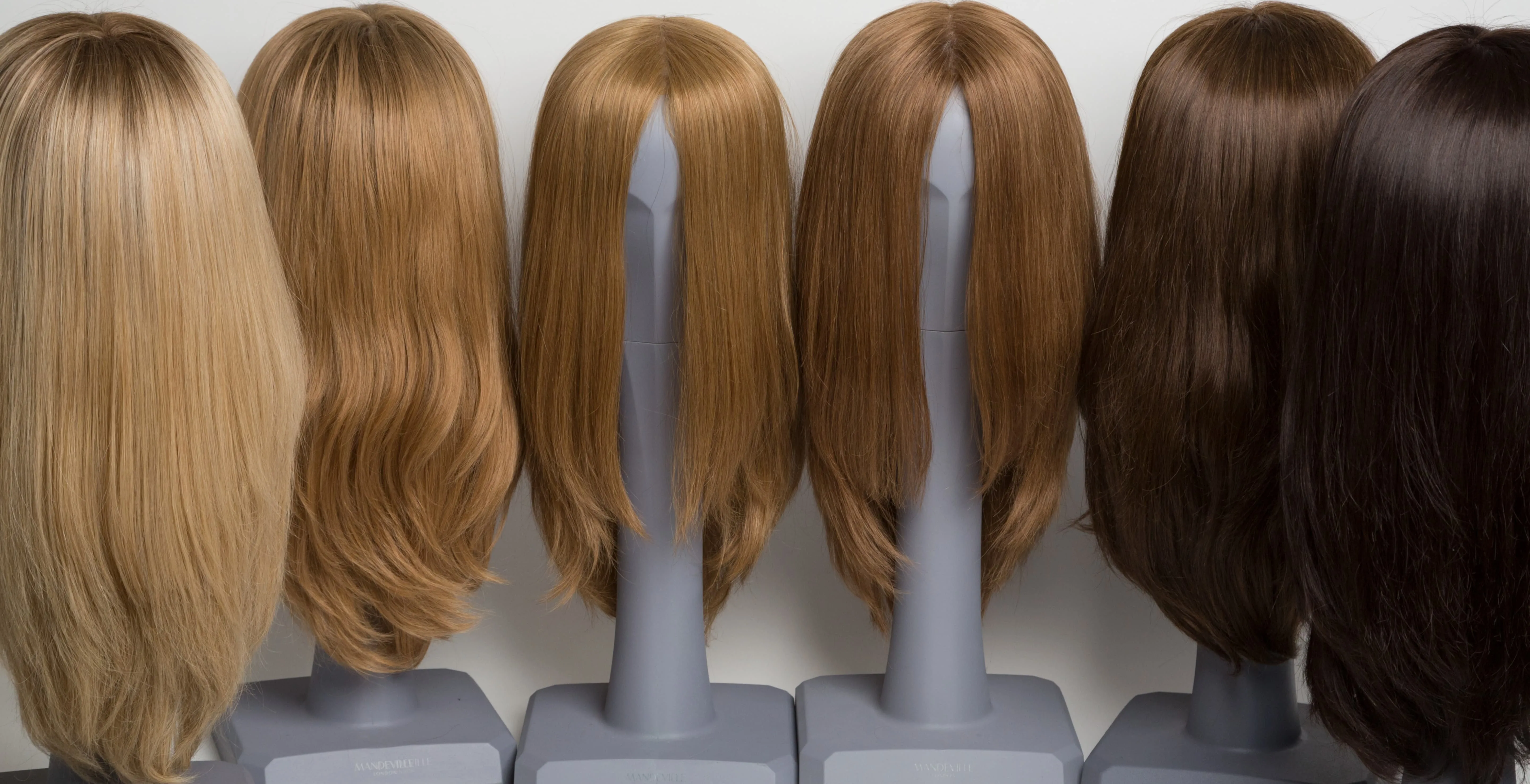
Wigs, hair transplant surgery and medication all address long-term hair loss, but they work in very different ways and suit very different situations. Medication aims to slow loss or encourage regrowth where follicles are still active, a transplant redistributes your own hair and depends on a stable donor area, while a well made wig or hairpiece gives immediate, removable coverage whatever the cause of your hair loss. Understanding what each option can realistically achieve, and how long it takes, makes the choice far easier.
Key points include:
- Why the cause of your hair loss determines which options are realistic
- What medication can and cannot do for pattern hair loss and alopecia
- Who is suitable for a hair transplant, and who is not
- How a handmade wig or hairpiece compares on results, time and comfort
- The difference in cost, commitment and ongoing maintenance
- Why many people combine more than one approach
- How scalp comfort and everyday life affect the decision
- Where to get professional advice before you commit
If your hair loss has settled into something long term rather than temporary, you have probably come across the same three routes: Medication, surgery or hair systems and wigs. Each has genuine strengths, and none of them is the right answer for everybody. The comparison below is intended to help you work out which options are worth exploring with a professional, rather than to replace medical advice.
START WITH THE CAUSE, NOT THE SOLUTION
The single most useful step is finding out why your hair is thinning. Androgenetic hair loss, often described as pattern hair loss, behaves very differently from alopecia areata, from hair loss linked to illness or medication, and from traction damage caused by tight styling.
Cause matters because it decides what is even possible. Medication and surgery both rely on follicles that can still produce hair, while a wig or hairpiece works regardless. The different types of alopecia each progress in their own way, and the gradual thinning many women notice around the crown and parting can seem hard to manage.
A dermatologist or registered trichologist can confirm the diagnosis, and it is worth doing this before spending money on any long-term solution.
MEDICATION: SLOWING LOSS RATHER THAN REPLACING HAIR
Medication is usually the first route people are offered, particularly for pattern hair loss. Topical minoxidil is available over the counter and is intended to prolong the growing phase of the hair, while oral prescription treatments such as finasteride are used in male hair loss and are not suitable for everyone. For severe alopecia areata, newer prescription treatments including JAK inhibitors are prescribed by specialists under supervision. You will need to have regular blood checks, monitored by your provider.
Three things are worth being realistic about. Results take months rather than weeks, they vary a great deal between individuals, and any improvement generally lasts only while the treatment continues. Medication also does not restore hair in areas where the follicles are no longer active, and plays no role at all in temporary treatment-related hair loss such as chemotherapy.
Real experiences are often more informative than statistics. Mandeville model Michelle wrote about what taking JAK inhibitors for alopecia areata was actually like, including the parts of the process that rarely make it into the headlines.
Any medication should be discussed with a doctor, particularly regarding side effects, suitability and interactions with other treatments.
HAIR TRANSPLANT SURGERY: REDISTRIBUTING WHAT YOU HAVE
A hair transplant does not create new hair. It moves follicles from a donor area, usually the back and sides of the head, to areas where hair has been lost. That distinction explains most of its limits.
Surgery tends to suit people with stable, patterned loss and a strong donor area, which is why it is far more commonly performed on men than on women. It is generally unsuitable where hair loss is diffuse across the whole scalp, where the condition is active and unpredictable as in alopecia areata, or where there is simply not enough donor hair to move.
It is also a surgical procedure with a healing period, a visible transitional phase and a long wait before the final result is apparent. Results depend heavily on the skill of the surgeon, and more than one session is often needed. If your hair loss is still progressing, further thinning can develop around a transplanted area, which is why many surgeons ask patients to stabilise their loss with medication first.
WIGS AND HAIRPIECES: IMMEDIATE AND FULLY REVERSIBLE
A wig or hairpiece is the only one of the three options that works whatever the cause of your hair loss, gives a result you can see on the day, and can be stopped at any point without consequence.
The range is broader than many people expect. A hair topper adds density and coverage where there is still hair to blend with, which suits early thinning around the parting and crown, while a full wig covers everything. A ReadyMade wig can be chosen, cut and styled quickly when you need a solution soon, and a Made to Measure wig is built on a foundation created to your own head shape, with colour, texture, length, curl and density chosen to match your hair as closely as you wish.
Quality is what separates a wig that looks like hair from one that does not. Hand knotted human hair moves and reflects light the way growing hair does, which is the difference people notice most when they compare human hair with synthetic, and it is why we work exclusively in natural human hair.
For conditions such as alopecia areata and alopecia totalis, where medication may or may not work and surgery is rarely appropriate, wigs for alopecia are often the most dependable option, and wigs for thinning hair answer the same need where the loss is gradual. Men find the same made to measure approach in our wigs for men collection.
TIME, COST AND COMMITMENT COMPARED
Time is the clearest difference. Medication is measured in months of daily use before you know whether it is helping. A transplant involves a procedure, a recovery period and up to a year before the result settles. A ReadyMade wig can be worn the same week, while a Made to Measure wig currently takes around four months from consultation to final fitting.
Cost works differently in each case too. Medication is a modest ongoing expense that continues indefinitely. Surgery is a large one-off cost, sometimes repeated. A handmade wig is a considered purchase that lasts for years with proper care, and it is the only option with a price agreed in advance. What you pay depends on size, hair type and how much of the work is bespoke, and current indicative prices are published openly.
Reversibility is the point that decides it for many people. Medication can be stopped, though the hair it maintained will usually be lost again. Surgery cannot be undone. A wig can be worn every day, occasionally or never again, with nothing lost either way.
YOU DO NOT HAVE TO CHOOSE ONLY ONE
These options are not mutually exclusive, and in practice many people use more than one at the same time. Someone may take medication to slow further loss while wearing a topper for density in the meantime. Someone waiting for a transplant to grow through may wear a wig during the transitional months. Someone whose treatment has not delivered the result they hoped for may move to a wig without abandoning their treatment.
Hair loss linked to cancer treatment is a separate case again, because it is usually temporary and neither medication nor surgery applies. Our chemotherapy wigs service is designed around that situation, including fittings that allow for both hair loss and regrowth.
COMFORT AND EVERYDAY LIFE MATTER MORE THAN YOU THINK
Whichever route you choose, you have to live with it daily. Scalp comfort, heat, weight and how secure something feels in the wind all decide whether you use a solution or leave it in a drawer. Keeping the skin underneath clean and comfortable takes very little once it becomes routine, and it is worth knowing about whether or not you currently wear a wig.
One concern comes up in almost every consultation, so it is worth answering plainly: A well made, well fitted wig does not cause hair loss. Tension, weight and poorly made hair systems are what cause problems, not coverage itself.
HOW MANDEVILLE LONDON CAN HELP
We have spent more than 50 years making handmade human hair wigs and hairpieces for people experiencing every kind of hair loss, and we are used to speaking with clients who are still weighing up medical options. A consultation is not a commitment, and we will tell you honestly if we think your situation is better served by seeing a trichologist or dermatologist first. Knowing what happens in the appointment takes some of the uncertainty out of booking one.
If you would like to see and feel the difference a handmade wig makes before deciding, you can book a complimentary consultation at our private Fulham studio.
FINAL THOUGHTS
There is no single best answer to long-term hair loss, only the option that fits your diagnosis, your timescale and the life you want to get on with. Medication can help where follicles remain active, surgery can help where there is stable donor hair to move, and a well made wig can help in every case, immediately and without anything to undo. Find out what is causing your hair loss, ask each professional what their option can realistically achieve, and choose the one that makes daily life feel most like your own.
FREQUENTLY ASKED QUESTIONS (FAQ)
Which is better for hair loss: A wig, a transplant or medication?
None is better in every case. Medication may help where follicles are still active, a transplant can suit stable pattern loss with a good donor area, and a wig works whatever the cause and gives an immediate, reversible result. The right choice depends on your diagnosis, your timescale and how much permanence you want.
Can I have a hair transplant if I have alopecia areata?
Usually not. Alopecia areata is unpredictable and can affect transplanted hair in the same way as your own, so surgeons rarely recommend it. Wigs and hairpieces are generally the more dependable option for this type of hair loss.
Does medication regrow hair permanently?
Generally no. Where treatment helps, the benefit typically lasts only while it continues, and hair loss usually resumes if the treatment stops. Medication also cannot restore hair in areas where follicles are no longer active.
Is a wig cheaper than a hair transplant?
A handmade wig is usually a lower single cost than surgery, and the price is agreed in advance. A wig is replaced periodically, while a transplant is a larger one-off expense that is sometimes repeated, so it is worth comparing cost over several years rather than at a single moment.
Will wearing a wig stop my own hair growing?
No. A well made, breathable wig that fits properly does not prevent natural hair growth. Problems are linked to tight, heavy or poorly fitted hair systems rather than to wigs in general.
Can I wear a wig while taking medication or waiting for a transplant to grow?
Yes, and many people do. A wig or topper gives coverage during the months when a medical treatment is still working, and can be worn less often or stopped entirely if your own hair returns. Make sure to upkeep your scalp health and wear a wig that is lightweight and completely breathable.
How quickly can I have a wig compared with other options?
A ReadyMade wig can often be fitted, cut and styled within days. A Made to Measure wig currently takes around four months. Medication takes months before results are clear, and a transplant can take up to a year to show its final result.
Latest blogs
.webp)
Supporting Someone Through Hair Loss: A Guide for Partners, Family and Friends

Trichotillomania and Hair Pulling: Coverage Options That Help

How Secure Is a Wig Really? Confidence in Everyday Life

Get the very nearest you can to having your own hair.
We will listen to your concerns, answer your questions and guide you through the process step by step to find the perfect solution that will work for you.